





Tree Cabling & Bracing for Structural Support & Safety
Expert Tree Cabling & Bracing Solutions
Tree cabling and bracing are essential techniques in arboriculture that enhance the stability and safety of trees, particularly those that are structurally compromised. These methods involve the installation of supportive hardware to prevent tree failure, which can pose risks to property and human safety. In this article, we will explore the mechanisms behind tree cabling and bracing, their benefits, and the specific circumstances under which they are necessary. Additionally, we will discuss the types of trees that benefit from these techniques, the installation process, and maintenance tips to ensure long-lasting support. By understanding these concepts, homeowners and property managers can make informed decisions about tree care and safety.
What Is Tree Cabling and Bracing and How Does It Enhance Tree Stability?
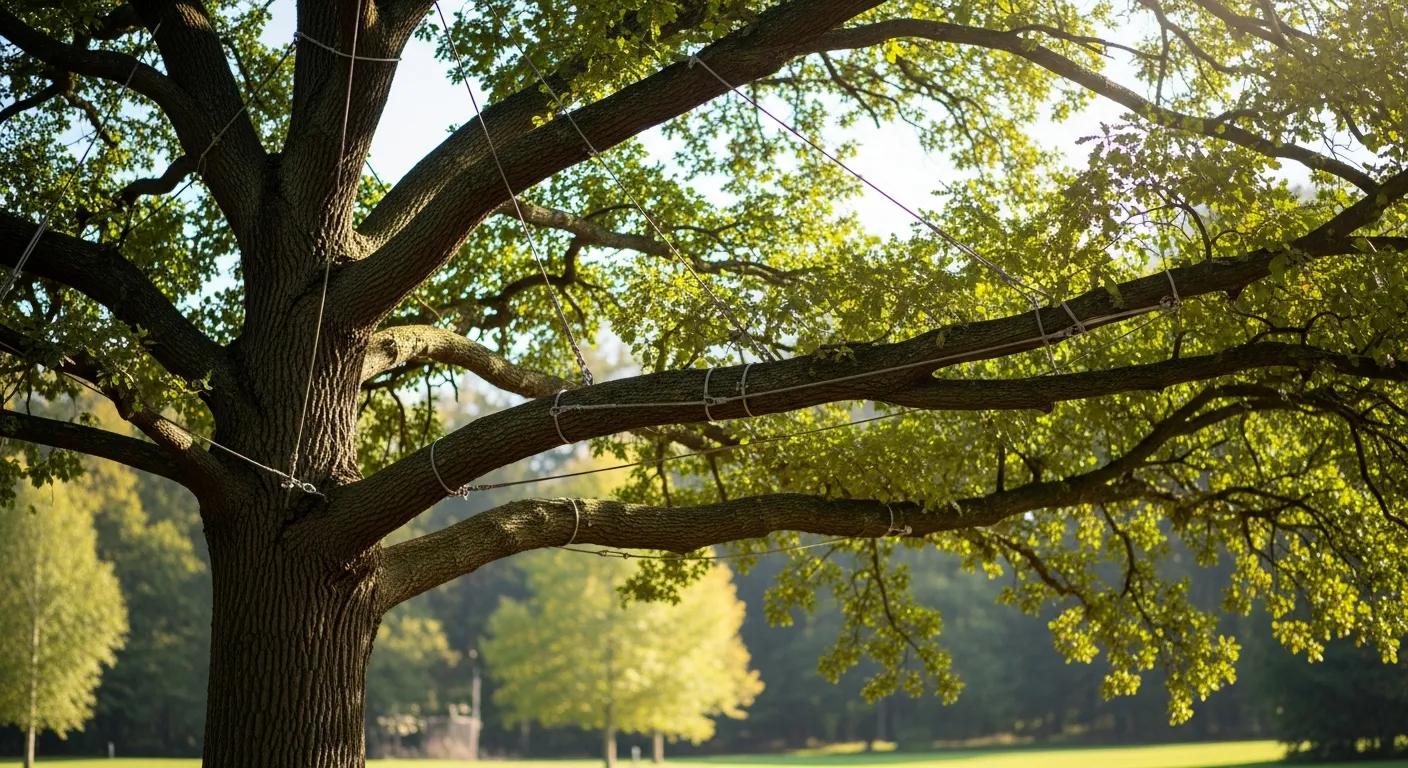
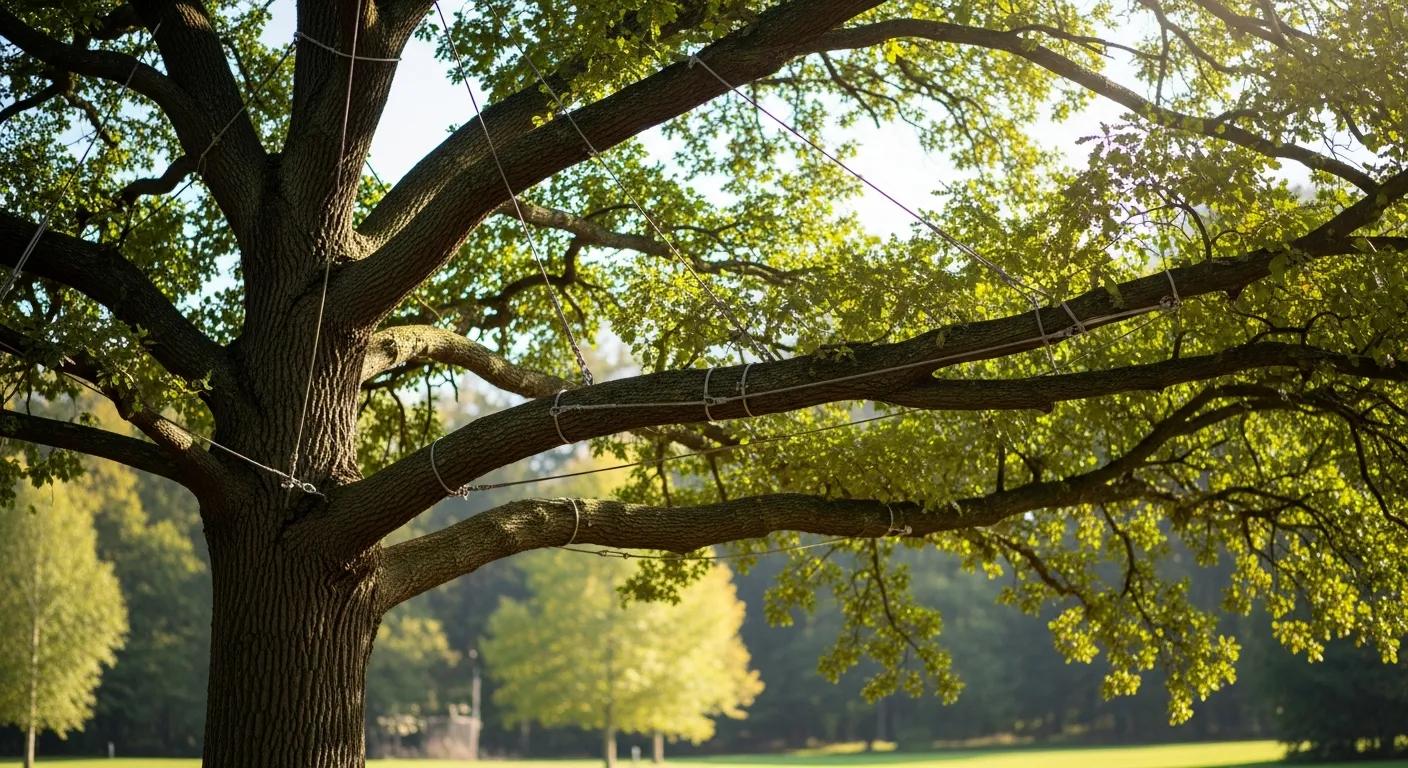
Tree cabling and bracing are techniques used to provide structural support to trees that exhibit signs of weakness or instability. Cabling involves the installation of flexible cables that connect branches or trunks, while bracing uses rigid rods to stabilize weak limbs. These methods enhance tree stability by redistributing weight and reducing stress on vulnerable areas, ultimately preventing limb failure and improving overall safety. The implementation of these techniques can significantly prolong the life of a tree, allowing it to thrive in its environment.
Understanding Tree Support Systems: Cabling and Bracing Explained
Tree support systems, including cabling and bracing, are critical for maintaining the health and safety of trees. Cabling techniques typically involve the use of high-strength cables that are anchored to the tree and surrounding structures, providing support without restricting natural growth. Bracing, on the other hand, employs rods that are inserted into the tree to provide additional support to weak branches. Both methods are designed to work in tandem, ensuring that trees can withstand environmental stressors such as wind, snow, and heavy foliage.
How Tree Structural Reinforcement Prevents Limb Failure and Improves Safety
Structural reinforcement through cabling and bracing plays a vital role in preventing limb failure, which can lead to property damage or personal injury. By redistributing the weight of heavy branches and providing additional support, these techniques reduce the likelihood of breakage during adverse weather conditions. Furthermore, they enhance the overall safety of the tree, allowing it to remain a valuable asset in residential and commercial landscapes.
When Is Tree Bracing Necessary? Identifying Trees That Benefit from Structural Support
Identifying when tree bracing is necessary involves assessing the structural integrity of the tree. Signs that indicate a need for bracing include:
- Cracks or splits in the trunk: Visible damage can compromise the tree's stability.
- Leaning trees: Trees that lean significantly may require support to prevent toppling.
- Weak or broken branches: Branches that show signs of weakness or have previously broken may benefit from bracing.
Timely intervention is crucial to ensure the safety of both the tree and its surroundings. Consulting with a certified arborist can provide valuable insights into the need for bracing.
Assessing Tree Health and Risk Factors for Cabling Installation
Before installing cabling, it is essential to assess the health of the tree and identify any risk factors. The evaluation process typically includes:
- Visual inspection: Checking for signs of decay, disease, or structural damage.
- Soil analysis: Understanding the soil conditions that may affect tree stability.
- Root assessment: Evaluating the root system for health and stability.
Tools such as resistographs and sonic tomographs can aid in assessing internal tree health, ensuring that cabling is installed on trees that can benefit from it.
Which Tree Species Are Suitable for Cabling and Bracing?
Not all tree species are equally suitable for cabling and bracing. Generally, species that are known for their strength and resilience, such as oaks, maples, and pines, respond well to these techniques. Factors influencing suitability include:
- Growth habit: Trees with a strong central leader are often better candidates.
- Health status: Only healthy trees should undergo cabling or bracing.
- Environmental conditions: Trees in high-wind areas may require additional support.
Consulting with an arborist can help determine the best approach for specific tree species.
What Are the Common Tree Cabling Techniques and Bracing Methods Used by Professionals?
Professionals utilize various cabling and bracing techniques tailored to the specific needs of the tree. Common methods include:
- Single cable systems: Used for light support of branches.
- Double cable systems: Provide more robust support for larger limbs.
- Rod bracing: Involves inserting rods into the tree to stabilize weak branches.
These techniques are chosen based on the tree's condition, species, and the specific risks it faces.
Innovations in arboriculture continue to explore advanced methods for tree crown support, often leveraging technology to optimize cable system design.
Tree Crown Support Systems: Cable Installation for Structural Safety
Trees with multiple leaders that are susceptible to breaking pose a serious threat to nearby people and structures, and compromise overall tree health and aesthetics. The traditional remedy has been to install flexible steel cables in the crown of the tree in an attempt to limit the displacement of the leaders. This project was conducted to evaluate an alternative three-leader support cable system using computer simulation. The system is centered on a pulley that redirects loads along convergent cables, allowing for more displacement of the cabled leaders while minimizing the amount of materials and time required for installation.
A computer simulation of an alternative design to tree crown support systems, 2004
Types of Tree Cabling Hardware and Installation Procedures
Different types of cabling hardware are available, each designed for specific applications. The installation process typically involves the following steps:
- Assessment: Evaluating the tree's condition and determining the best cabling method.
- Selection of hardware: Choosing appropriate cables and anchors based on the tree's needs.
- Installation: Carefully installing the cabling system to ensure it provides adequate support without damaging the tree.
| Hardware Type | Application | Benefits |
|---|---|---|
| Steel cables | Heavy support for large branches | High strength and durability |
| Synthetic cables | Lightweight support for smaller limbs | Flexible and less invasive |
| Bracing rods | Stabilization of weak branches | Provides rigid support |
This table illustrates the various types of cabling hardware and their applications, highlighting the benefits of each.
Comparing Tree Bracing Methods for Residential and Commercial Properties
When comparing tree bracing methods for residential and commercial properties, several factors come into play. Residential properties may prioritize aesthetic considerations, while commercial properties often focus on safety and liability. Key differences include:
- Method selection: Residential trees may use less invasive methods, while commercial properties may require more robust solutions.
- Cost implications: Commercial installations may involve higher costs due to the scale and complexity of the project.
- Maintenance requirements: Commercial properties may necessitate more frequent inspections and maintenance.
Understanding these differences can help property owners make informed decisions about tree support systems.
How Much Does Tree Cabling and Bracing Cost in Bakersfield? Pricing and Installation Process
The cost of tree cabling and bracing in Bakersfield can vary based on several factors, including tree size, species, and the complexity of the installation. On average, homeowners can expect to pay between $300 and $1,500 for professional services. The installation process typically includes:
- Initial consultation: Assessing the tree and discussing options.
- Installation: Implementing the cabling or bracing system.
- Follow-up inspection: Ensuring the system is functioning correctly.
Factors Influencing the Cost of Tree Structural Support Services
Several factors can influence the cost of tree structural support services, including:
- Tree size and type: Larger trees or those requiring specialized techniques may incur higher costs.
- Condition of the tree: Trees in poor health may require additional work, increasing overall expenses.
- Location and accessibility: Trees in hard-to-reach areas may require more labor and equipment.
Understanding these factors can help property owners budget for necessary tree care services.
Step-by-Step Overview of the Professional Installation Process
The professional installation process for tree cabling and bracing typically follows these steps:
- Consultation: A certified arborist evaluates the tree and discusses the best options.
- Preparation: Necessary tools and materials are gathered for the installation.
- Installation: The cabling or bracing system is installed according to best practices.
- Post-installation care: The arborist provides guidance on maintenance and monitoring.
This structured approach ensures that the installation is effective and safe for the tree.
What Are the Safety and Maintenance Tips for Long-Lasting Tree Cabling and Bracing?
To ensure the longevity of tree cabling and bracing systems, regular maintenance and safety checks are essential. Key tips include:
- Regular inspections: Check for signs of wear or damage to the cabling system.
- Monitoring tree health: Keep an eye on the overall health of the tree to identify any changes.
- Professional evaluations: Schedule periodic assessments with a certified arborist to ensure the system remains effective.
These practices help maintain the integrity of the support system and the health of the tree.
How to Maintain Tree Cabling Systems to Ensure Continued Structural Integrity
Maintaining tree cabling systems involves several key practices:
- Routine checks: Inspect cables and braces for signs of wear or loosening.
- Adjustments: Make necessary adjustments to ensure the system remains effective.
- Professional maintenance: Engage a certified arborist for annual evaluations and maintenance.
By following these guidelines, property owners can ensure that their tree cabling systems continue to provide the necessary support.
Does Tree Cabling Damage Trees? Addressing Common Concerns and Best Practices
One common concern regarding tree cabling is the potential for damage to the tree. When installed correctly by professionals, cabling systems should not harm the tree. Best practices include:
- Using appropriate hardware: Select cables and braces that are suitable for the tree species and size.
- Proper installation: Ensure that the installation does not restrict the tree's natural growth.
- Regular monitoring: Keep an eye on the tree's health and the condition of the cabling system.
By adhering to these best practices, property owners can mitigate the risk of damage while benefiting from the support provided by cabling.
Further research and advancements in tree support systems continually aim to reduce potential harm during installation and improve long-term tree health.
Tree Support Systems: Reducing Failure & Minimizing Installation Damage
Tree support systems have been used for many years to help reduce the risk of tree failure due to weak and split crotches and from cracks in branches and trunks. Because any wound that breaks the bark of a tree initiates the decay and compartmentalization processes, new tree support systems have been designed to eliminate the need to drill holes into a tree during installation. Recent research suggests that the new systems do not injure tree parts as much as drilling holes, because drilling wounds the tree. A sample of 20 bolts of wood that had hardware previously installed was collected from arborists throughout the northeastern United States. The samples received came from trees regarded as good compart-mentalizers. Simple measurements and visual analysis indicate that decay and discoloration directly attributable to hardware installation appear not to be as severe as expected (even after 37 years in one sample).
Discoloration and decay associated with hardware installation in trees, BCP Kane, 2002
How Do Commercial and Residential Tree Cabling Solutions Differ?
Commercial and residential tree cabling solutions differ primarily in scale and application. Commercial properties often require more extensive systems due to larger trees and higher liability concerns. Key differences include:
- Scale of installation: Commercial projects may involve multiple trees and more complex systems.
- Regulatory considerations: Commercial properties may need to adhere to stricter regulations regarding tree care.
- Cost factors: The scale and complexity of commercial installations typically result in higher costs.
Understanding these differences can help property owners choose the right solutions for their specific needs.
Tailoring Tree Support Systems for Commercial Property Needs
Tailoring tree support systems for commercial properties involves considering the unique challenges and requirements of the site. Key considerations include:
- Customized care plans: Develop specific plans that address the needs of the property and its trees.
- Emergency preparedness: Implement strategies to quickly address potential tree failures.
- Long-term management: Establish ongoing maintenance schedules to ensure the health and safety of trees.
By focusing on these aspects, commercial property owners can effectively manage their tree care needs.
Residential Tree Bracing: Benefits and Considerations for Homeowners
Residential tree bracing offers several benefits for homeowners, including enhanced safety and prolonged tree life. Key considerations include:
- Cost-effectiveness: Investing in bracing can prevent costly damage from fallen limbs.
- Aesthetic value: Well-maintained trees enhance the overall appearance of the property.
- Safety assurance: Bracing reduces the risk of tree failure, providing peace of mind for homeowners.
By understanding these benefits, homeowners can make informed decisions about tree care and support.
For more information on maintaining the health and structural integrity of your trees, consider exploring the tree trimming services offered in Bakersfield.
When it comes to ensuring the longevity and safety of your trees, sometimes more drastic measures are necessary. If a tree is beyond saving, tree removal might be the most appropriate solution.
For comprehensive tree care and expert solutions, Fuerte Tree Service in Bakersfield provides a range of services to meet your needs.
Frequently Asked Questions
What are the signs that a tree may need cabling or bracing?
Signs that a tree may require cabling or bracing include visible cracks or splits in the trunk, significant leaning, and weak or broken branches. If you notice any of these issues, it’s essential to consult a certified arborist. They can assess the tree's structural integrity and determine if support systems are necessary to prevent potential failure and ensure safety for both the tree and its surroundings.
How long does a tree cabling or bracing installation typically last?
The longevity of tree cabling and bracing systems can vary based on several factors, including the type of hardware used, the tree's health, and environmental conditions. Generally, these systems can last anywhere from 5 to 15 years with proper maintenance. Regular inspections and adjustments are crucial to ensure the system remains effective and does not harm the tree over time.
Can tree cabling and bracing be done on all tree species?
No, not all tree species are suitable for cabling and bracing. Generally, trees that are healthy and have a strong growth habit, such as oaks, maples, and pines, respond well to these techniques. It's essential to consult with an arborist to evaluate the specific tree species and its condition before proceeding with installation, as some trees may not benefit from these support systems.
What maintenance is required for tree cabling and bracing systems?
Maintaining tree cabling and bracing systems involves regular inspections to check for signs of wear or damage, monitoring the overall health of the tree, and making necessary adjustments to the system. Engaging a certified arborist for periodic evaluations is also recommended to ensure the system continues to provide adequate support without harming the tree.
Are there any risks associated with tree cabling and bracing?
When installed correctly by professionals, tree cabling and bracing systems should not harm the tree. However, improper installation or using unsuitable hardware can lead to damage. It's crucial to follow best practices, such as selecting the right materials and ensuring that the installation does not restrict the tree's natural growth. Regular monitoring can help mitigate potential risks.
How do I choose a professional for tree cabling and bracing services?
Choosing a professional for tree cabling and bracing services involves looking for certified arborists with experience in tree support systems. Check their credentials, ask for references, and review their previous work. A reputable arborist will conduct a thorough assessment of your tree and provide a detailed plan for installation, ensuring that the chosen methods are appropriate for your specific situation.
What is the cost range for tree cabling and bracing services?
The cost of tree cabling and bracing services can vary widely based on factors such as tree size, species, and the complexity of the installation. On average, homeowners can expect to pay between $300 and $1,500. It's advisable to obtain multiple quotes from certified arborists to compare prices and services before making a decision.
