





Stump Grinding vs. Stump Removal: Which is Right for You?
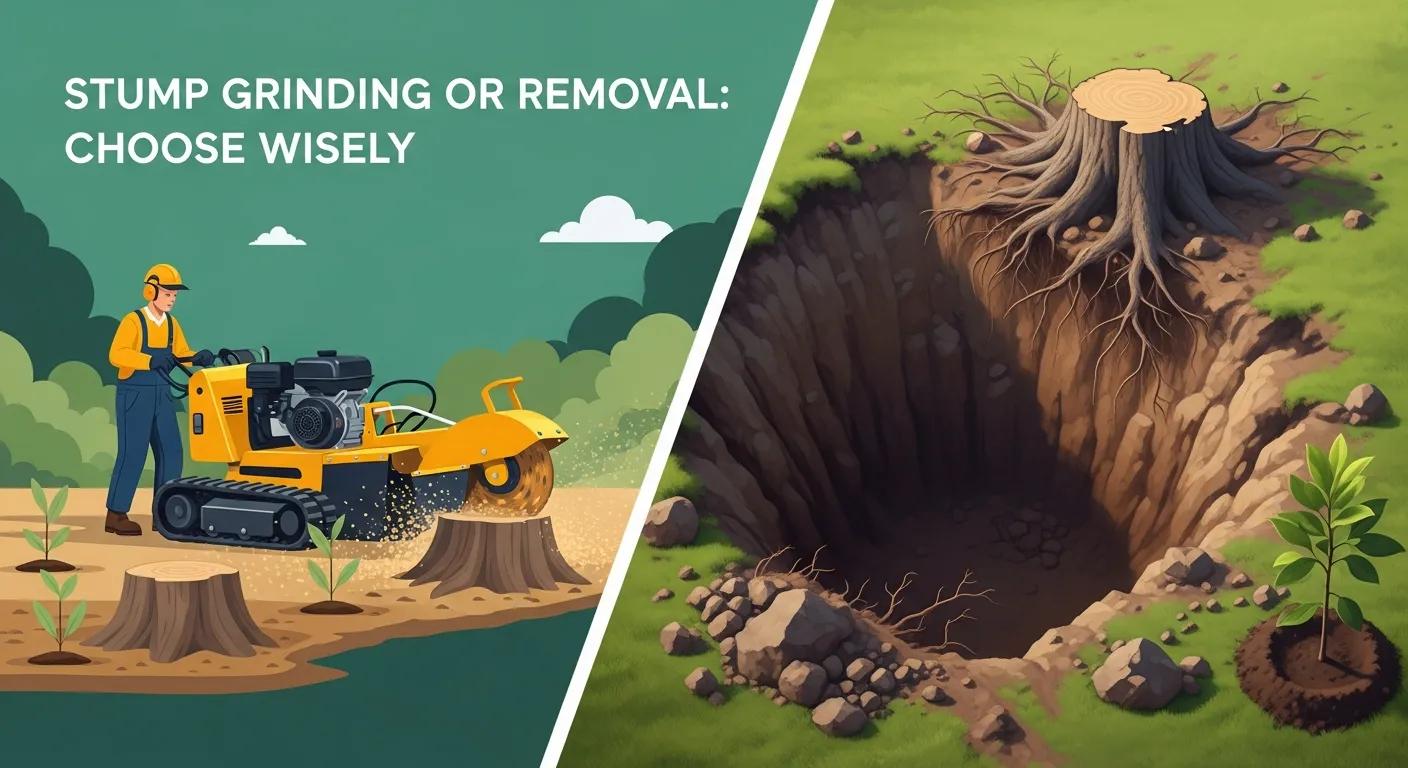
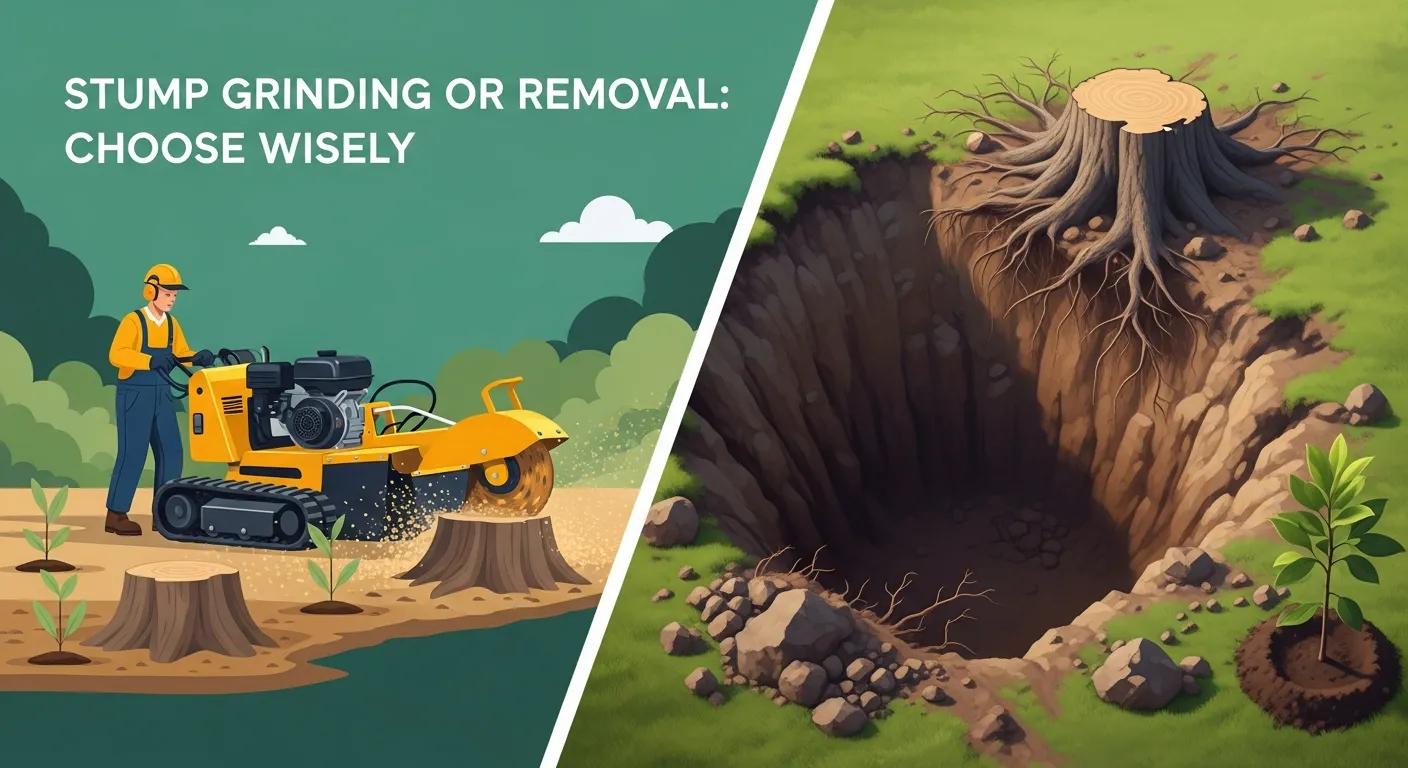
Stump Grinding or Removal: Choose Wisely
When faced with a tree stump in your yard, homeowners often grapple with the decision between stump grinding and stump removal. Understanding the differences between these two methods is crucial for making an informed choice that aligns with your landscape goals and budget. This article will delve into the key distinctions, processes, costs, and benefits associated with stump grinding and stump removal, helping you determine the best option for your property.
Both methods serve the purpose of eliminating unsightly stumps, but they do so in fundamentally different ways. Stump grinding involves the use of specialized machinery to grind the stump down to below ground level, while stump removal entails excavating the entire stump along with its root system. This guide will explore the mechanics of each method, the costs involved, and the environmental considerations that may influence your decision.
What Are the Key Differences Between Stump Grinding and Stump Removal?
Stump grinding and stump removal are two distinct methods for dealing with tree stumps, each with its own advantages and disadvantages. Stump grinding is generally less invasive, as it only removes the visible part of the stump and leaves the roots in the ground. This method is quicker and often more affordable, making it a popular choice for homeowners looking for a fast solution.
In contrast, stump removal involves digging out the entire stump and its root system, which can be a more labor-intensive and time-consuming process. This method is necessary in situations where the stump poses a risk of regrowth or when the area needs to be completely cleared for new planting. Understanding these differences can help you choose the right approach based on your specific needs and landscape plans.
How Does Stump Grinding Work as a Tree Stump Removal Method?
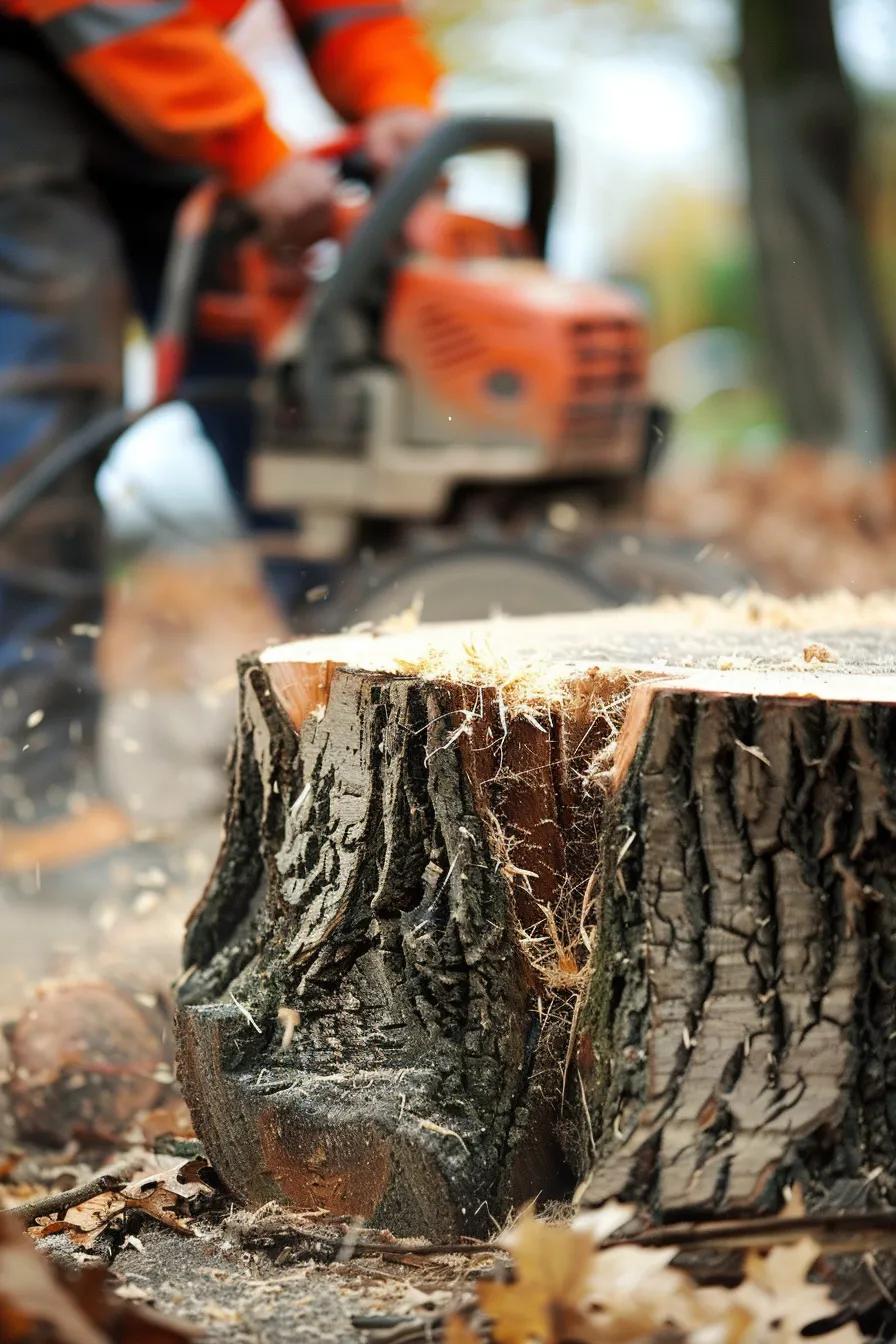
Stump grinding works by utilizing a specialized machine equipped with a rotating blade that grinds the stump into small wood chips. The process begins with a site assessment to determine the best approach for the job. The grinder is then positioned over the stump, and the blade is lowered to grind away the stump material gradually.
Safety precautions are paramount during this process, as the machinery can produce flying debris. Operators typically wear protective gear and ensure that the area is clear of obstacles. The result is a level surface that can be easily covered with soil or mulch, allowing for new landscaping options. This method is efficient and minimizes disruption to the surrounding area.
The efficiency and quality of this process are significantly influenced by the technology and operational factors involved in wood comminution.

Wood Comminution Technology & Productivity Factors
Chipping performance is closely related to chipper characteristics and setup, and to feedstock type. In general, productivity is directly proportional to chipper power and piece size, as far as the latter is within the capacity of the machine in question. Blade wear, cut length, and screen size also have a strong impact on productivity and work quality—and so do operator experience, skill, and motivation. Daily production is affected by work organization and machine reliability: delay time may represent between 25 and 50% of actual work site time—occasionally more, especially when the interface with the transport fleet is not properly managed.
A critical review of comminution technology and operational logistics of wood chips, R Spinelli, 2020
What Does Full Stump Removal Involve and When Is It Necessary?
Full stump removal involves excavating the entire stump along with its root system, which can be a more complex and labor-intensive process. This method is often necessary when the stump is large, poses a risk of regrowth, or when the area is being prepared for new planting.
The process typically begins with cutting the stump as low as possible to the ground. Heavy machinery, such as a backhoe or excavator, is then used to dig around the stump and uproot it completely. This method can be more costly and time-consuming than stump grinding, but it ensures that all remnants of the stump and roots are removed, preventing any future issues.
How Do Costs Compare Between Stump Grinding and Stump Removal in Bakersfield?
When considering the costs of stump grinding versus stump removal, it's essential to understand the price ranges associated with each method. In Bakersfield, stump grinding typically costs between $2 to $5 per inch of diameter, making it a more budget-friendly option for many homeowners.
On the other hand, full stump removal can range from $200 to $1,200, depending on the size of the stump and the complexity of the job. Factors such as accessibility, the type of tree, and the condition of the surrounding landscape can also influence the final cost. Understanding these price differences can help you make a more informed decision based on your budget and needs.
| Service | Cost | Description |
|---|---|---|
| Stump Grinding | $2 - $5 per inch | Quick and less invasive method that grinds the stump below ground level. |
| Full Stump Removal | $200 - $1,200 | Comprehensive method that excavates the entire stump and root system. |
This cost comparison highlights the affordability of stump grinding, making it an attractive option for many homeowners looking to enhance their landscape without breaking the bank.
What Factors Influence Stump Removal Cost Locally?
Several factors can influence the cost of stump removal in Bakersfield. One of the primary considerations is the diameter of the stump, as larger stumps require more time and resources to remove. Additionally, the density of the wood can affect the difficulty of the removal process, with hardwoods typically being more challenging to extract than softwoods.
Accessibility is another critical factor; stumps located in tight or hard-to-reach areas may incur additional charges due to the need for specialized equipment or extra labor. Understanding these factors can help homeowners anticipate potential costs and plan accordingly.
Why Is Stump Grinding Often a More Affordable Option?
Stump grinding is often considered a more affordable option for several reasons. First, the process is generally quicker than full stump removal, requiring less labor and time. This efficiency translates to lower overall costs for homeowners.
Additionally, stump grinding minimizes site disturbance, which can reduce the need for extensive cleanup or restoration afterward. The ability to leave the root system in place also means that there is less disruption to the surrounding landscape, making it a more convenient choice for many property owners.
What Are the Environmental and Practical Benefits of Stump Grinding?
Stump grinding offers several environmental and practical benefits that make it an appealing choice for homeowners. One significant advantage is pest control; by grinding the stump, you eliminate a potential habitat for pests such as termites and ants, which can threaten nearby trees and structures.
Moreover, the wood chips produced during the grinding process can be repurposed as mulch, contributing to soil health and moisture retention. This sustainable practice not only reduces waste but also enhances the overall health of your landscape.
How Does Stump Grinding Support Eco-Friendly Tree Care?
Stump grinding supports eco-friendly tree care by promoting sustainable practices that benefit the environment. By grinding the stump instead of removing it entirely, you minimize soil disruption and preserve the surrounding ecosystem.
The process also reduces waste, as the wood chips can be used for landscaping or composting, returning nutrients to the soil. This approach aligns with modern environmental practices that prioritize sustainability and responsible land management.
Can You Plant a New Tree After Stump Grinding?
Yes, you can plant a new tree after stump grinding, but certain conditions must be met. After the stump has been ground down, it's essential to allow the area to settle and the wood chips to decompose before planting.
Soil preparation is also crucial; ensure that the ground is adequately aerated and enriched with nutrients to support the new tree's growth. Timing is important as well; waiting a few months after grinding can help ensure the best conditions for your new planting.
When Should You Choose Professional Stump Removal Over Grinding?
Choosing professional stump removal over grinding is advisable in specific situations. If the stump is large, poses a risk of regrowth, or if you plan to plant a new tree in the same location, full removal may be necessary.
Additionally, if the stump is located in an area where it could obstruct future landscaping plans or construction, opting for complete removal can save time and effort in the long run. Understanding your landscape goals will help you make the right choice.
What Are the Risks and Limitations of Stump Grinding?
While stump grinding is generally safe and effective, there are some risks and limitations to consider. One potential issue is the possibility of regrowth; if any roots remain intact, the tree may sprout again.
Additionally, the grinding process can create a significant amount of debris, which may require cleanup afterward. It's also important to ensure that the area is clear of obstacles and that safety precautions are followed to prevent accidents during the grinding process.
How Do Commercial Tree Services Handle Complex Stump Removal?
Commercial tree services are equipped to handle complex stump removal situations with specialized equipment and expertise. They often use heavy machinery, such as excavators, to efficiently remove large stumps and their root systems.
These professionals also follow safety protocols to ensure that the removal process is conducted without incident. After the stump is removed, they typically perform site cleanup to restore the area, making the process seamless for homeowners.
What Equipment and Techniques Do Experts Use for Stump Grinding and Removal?
Experts utilize a variety of equipment and techniques for stump grinding and removal. For stump grinding, specialized machines equipped with sharp blades are used to grind the stump into small chips.
In contrast, stump removal may involve the use of excavators, chainsaws, and other heavy machinery to dig out the stump and roots. Safety gear, such as helmets and protective eyewear, is essential for operators to prevent injuries during the process.
How to Maintain Your Landscape After Stump Grinding or Removal?
Maintaining your landscape after stump grinding or removal involves several key practices. First, consider using the wood chips produced from grinding as mulch to enrich the soil and retain moisture.
Additionally, monitor the area for any signs of regrowth and address them promptly. Regular watering and soil aeration can also help ensure that the surrounding plants thrive in the newly cleared space.
What Are the Best Aftercare Practices Following Stump Grinding?
Aftercare following stump grinding is crucial for maintaining a healthy landscape. Here are some best practices to consider:
- Utilize Wood Chips: Use the wood chips as mulch to improve soil health and moisture retention.
- Monitor for Regrowth: Keep an eye on the area for any signs of new growth and manage it accordingly.
- Soil Health Maintenance: Regularly aerate and enrich the soil to support surrounding plants.
Implementing these practices will help ensure that your landscape remains vibrant and healthy after stump grinding.
How to Prepare Your Yard for New Planting After Stump Removal?
Preparing your yard for new planting after stump removal involves several steps:
- Clearing the Area: Remove any remaining debris and ensure the area is clean.
- Soil Preparation: Aerate the soil and add organic matter to enrich it for new plants.
- Watering Practices: Ensure the soil is adequately moist before planting to support new growth.
By following these steps, you can create an optimal environment for your new plants to thrive.
For those seeking professional assistance, Fuerte Tree Service Bakersfield offers comprehensive solutions.
When considering the costs of stump grinding versus stump removal, it's essential to understand the price ranges associated with each method. In Bakersfield, stump grinding typically costs between $2 to $5 per inch of diameter, making it a more budget-friendly option for many homeowners. For more extensive services like tree removal, it's best to consult with professionals.
Many homeowners also need tree trimming services to maintain the health and appearance of their trees.
For businesses and larger properties, commercial tree services are available to handle extensive tree care needs.
Frequently Asked Questions
What are the safety precautions to take during stump grinding?
Safety is paramount during stump grinding. Operators should wear protective gear, including helmets, goggles, and gloves, to shield against flying debris. It's also essential to clear the area of obstacles and bystanders to prevent accidents. The grinding machine should be operated according to the manufacturer's guidelines, ensuring that the equipment is in good working condition. Additionally, operators should be trained and experienced to handle the machinery safely, minimizing risks during the grinding process.
How long does the stump grinding process typically take?
The duration of the stump grinding process can vary based on several factors, including the size of the stump and the type of equipment used. Generally, stump grinding can take anywhere from 30 minutes to a few hours. Smaller stumps may be ground quickly, while larger or more complex stumps may require additional time. It's advisable to consult with a professional service to get a more accurate estimate based on your specific situation and the equipment they use.
Can stump grinding affect the surrounding plants and soil?
Stump grinding can have both positive and negative effects on surrounding plants and soil. On the positive side, the wood chips produced can be used as mulch, enhancing soil health and moisture retention. However, if the grinding process is not managed carefully, it can disturb the root systems of nearby plants, potentially harming them. It's important to assess the area and take precautions to protect existing vegetation during the grinding process.
What should I do with the wood chips after stump grinding?
After stump grinding, you have several options for the wood chips produced. They can be repurposed as mulch to enrich your garden beds, helping to retain moisture and suppress weeds. Alternatively, you can use them for composting, which returns nutrients to the soil. If you prefer not to keep the chips, many tree service companies will remove them for you. Just be sure to discuss your preferences with the service provider before the job begins.
Is it possible to grind multiple stumps in one visit?
Yes, many tree service companies can grind multiple stumps in one visit, which can be more cost-effective for homeowners. The feasibility of grinding multiple stumps depends on their size, location, and the equipment used. If you have several stumps that need attention, it's best to inform the service provider during the initial consultation. They can assess the situation and provide a quote that reflects the work involved in grinding multiple stumps.
How can I prevent regrowth after stump grinding?
To prevent regrowth after stump grinding, it's crucial to ensure that as much of the root system is ground down as possible. While some roots may remain, keeping the area monitored for any signs of new growth is essential. If you notice any sprouts, they should be removed promptly. Additionally, applying a herbicide to the area can help inhibit regrowth, but this should be done carefully and in accordance with local regulations to avoid harming surrounding plants.
