





Benefits of Professional Tree Pruning for Tree Health
Enhance Tree Health with Pruning
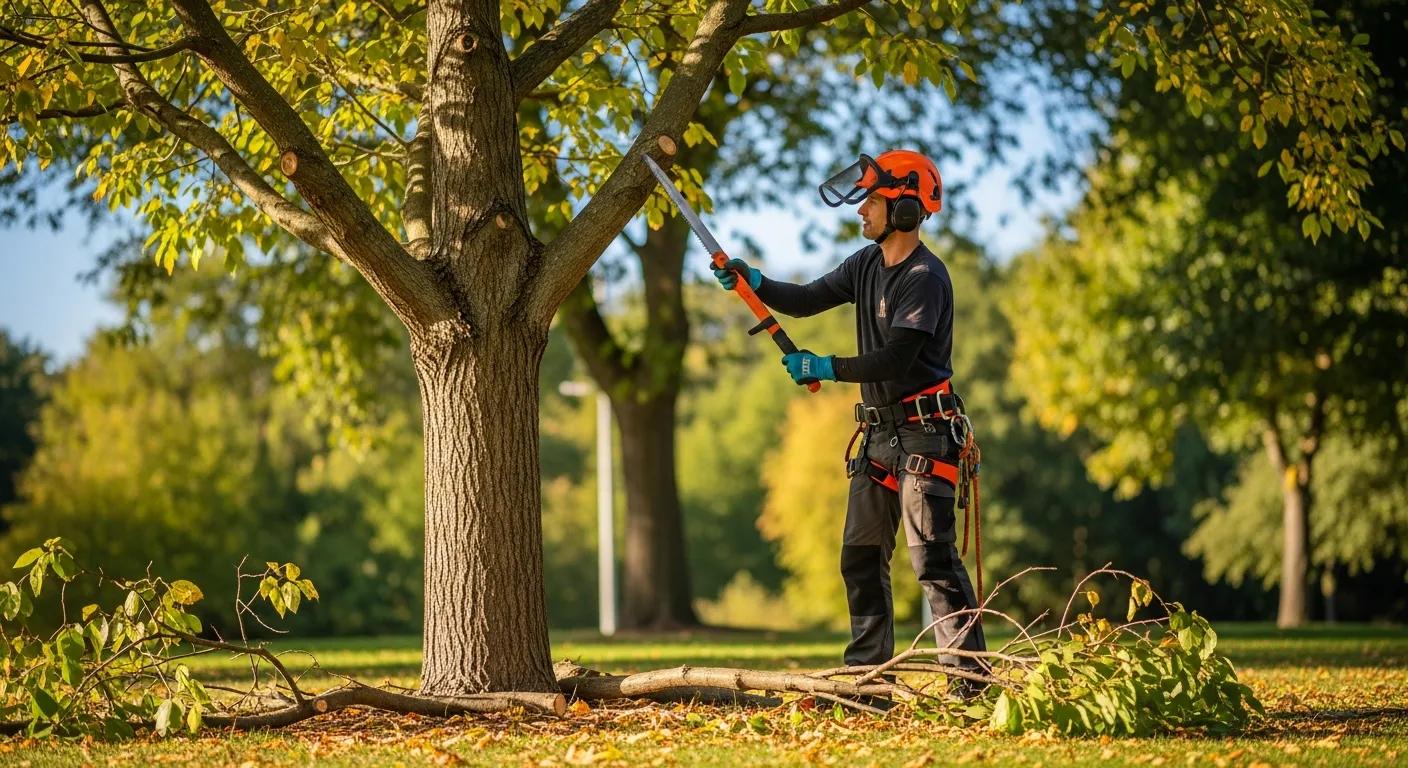
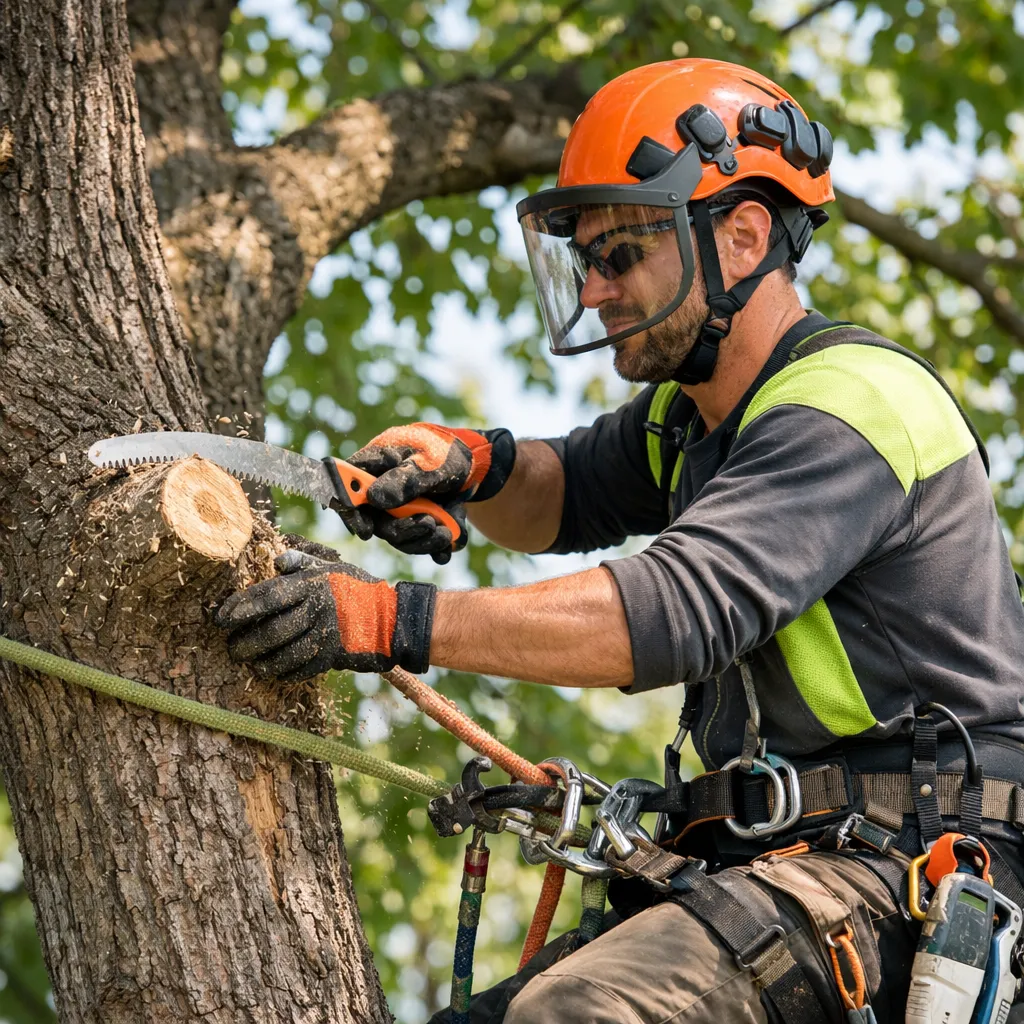
Professional tree pruning improves tree health, appearance, and longevity by removing dead or diseased branches and shaping canopy structure. This article summarizes the main benefits of professional pruning, key techniques, timing considerations for Bakersfield, and why certified arborists such as those at Fuerte Tree Service are recommended for residential and commercial properties.
Proper pruning supports structural integrity and long-term vigor for healthy trees.
Pruning's Impact on Tree Health and Structure Pruning is at the heart of arboriculture, one of the most important services arborists provide. To paraphraseAlex Shigo (1989), pruning can be one of the best things an arborist can do for a tree and one of the worse things an arborist can do to a tree. Pruning impacts both tree health and structure. It is practiced worldwide. The research foundation to tree pruning: A review of the literature, N Matheny, 2002
What Are the Key Benefits of Professional Tree Pruning?
Professional pruning delivers targeted benefits that support tree health and landscape value.
Enhanced Tree Health: Removing dead or diseased branches lets the tree allocate resources to healthy growth and increases overall vigor.
Disease Prevention: Eliminating infected limbs and opening the canopy improves air circulation and lowers the risk of pests and fungal problems.
Aesthetic Improvement: Regular pruning refines shape and structure, improving curb appeal for homes and businesses.
Fuerte Tree Service provides certified, professional tree care to keep trees healthy and attractive.
How Does Pruning Enhance Tree Health and Growth?

Pruning redirects a tree’s energy by removing nonproductive wood and improving canopy structure. Proper cuts stimulate balanced shoot growth, increase leaf production, and can produce a fuller, healthier crown when performed at the right time and location.
In What Ways Does Pruning Prevent Tree Diseases?
Pruning removes tissue that can harbor pathogens and reduces crowded limbs where moisture and fungi thrive. An open, well-ventilated canopy dries faster after rain and is less hospitable to many pests and fungal diseases.
Which Tree Pruning Techniques Promote Optimal Tree Health?

Several targeted techniques address different objectives; choosing the appropriate method is essential for good outcomes.
Removing dead or dying branches to prevent disease spread.
Applied correctly, these methods improve both health and appearance while preserving the tree’s natural form.
What Are the Most Effective Pruning Methods for Different Tree Species?
Species vary: deciduous trees often respond well to crown thinning, while many conifers need careful selective cuts to avoid damaging growth points. Matching technique to species and growth habit prevents stress and supports recovery.
How Does Proper Pruning Wound Care Support Tree Recovery?
Proper cuts—made just outside the branch collar—promote rapid compartmentalization. Most wounds heal best with clean cuts and good tree care (water, nutrients). Routine monitoring is preferable to routine wound sealants, which are not always recommended.
Protecting wounds from infection is challenging and often addressed through good pruning timing and sanitary practices rather than routine chemical treatment.
Protecting Pruning Wounds from Fungal Diseases Fungi causing these diseases infect primarily through pruning wounds. One way to control these diseases is to protect pruning wounds with fungicide applications, which can be problematic because of the limited number of registered products; the difficulty for these products to control numerous taxonomically unrelated organisms; the challenge of these products to protect for the entire period of wound susceptibility; and the difficulties and costs associated with hand application of protection treatments. Evaluation of pruning wound susceptibility and protection against fungi associated with grapevine trunk diseases, PE Rolshausen, 2010
When Is the Best Time to Schedule Professional Tree Pruning in Bakersfield?
In Bakersfield, late winter to early spring—before new growth—usually produces the best results because trees are dormant and stress is minimized. Some species, however, require species-specific timing to avoid removing buds or encouraging unwanted regrowth.
How Do Seasonal Factors Affect Pruning Outcomes?
Pruning during dormancy lowers stress and reduces insect activity. Pruning in active growth can increase sap flow and stress but may be necessary for safety reasons or to remove diseased wood promptly.
What Are the Local Regulations and Safety Considerations for Tree Pruning?
Local rules may restrict pruning on public trees or certain protected species. Hiring certified arborists like those at Fuerte Tree Service helps ensure compliance with local ordinances and professional safety standards to protect people and property.
Why Choose Professional Tree Pruning Services for Residential and Commercial Properties?
Professional services deliver safer, more effective pruning and long-term value for landscapes.
Expertise and Certification: Certified arborists diagnose issues and apply appropriate techniques.
Safety: Trained crews and proper equipment reduce injury and property damage.
Customer Satisfaction Guarantee: Reputable companies prioritize quality outcomes and client communication.
What Are the Advantages of Hiring Certified Arborists?
Certified arborists bring formal training in tree biology and practical experience to identify risks and recommend treatments that preserve tree health and safety.
Professional credentialing supports consistent, ethical practice and high-quality care.
The Value of Professional Arborist Certification Professional credentialing refers to the process of obtaining a certification or license that validates an individual’s knowledge, skills, and abilities according to industry-accepted ethics and standards. The International Society of Arboriculture (ISA) confers and manages professional arborist certification as well as other arborist credentials. Motivations and barriers of professional certification for tree workers, JS Gordon, 2024
How Does Professional Care Differ Between Residential and Commercial Needs?
Residential care often emphasizes aesthetics and safety for families, while commercial properties may need frequent, large-scale maintenance for compliance and curb appeal. Professionals tailor plans to the site and client goals.
Frequently Asked Questions
What are the signs that a tree needs pruning?
Look for dead or diseased branches, blocked sightlines or walkways, reduced light in the canopy, unbalanced structure, or signs of pests. A brief inspection by an arborist can confirm needs and timing.
Can I prune my trees myself, or should I hire a professional?
Homeowners can perform minor pruning on small branches, but hire a certified arborist for large trees, structural pruning, or when safety is a concern. Professionals ensure correct technique and compliance with local rules.
How often should trees be pruned for optimal health?
Frequency depends on species and age. Young trees often need formative pruning every 1–3 years; mature trees typically require maintenance every 3–5 years. An arborist can set a schedule based on each tree’s condition.
What tools are commonly used for tree pruning?
Common tools include hand pruners, loppers, pruning saws, and pole saws. Use clean, sharp tools and appropriate safety gear to make precise cuts that encourage healing.
Are there specific trees that require special pruning techniques?
Yes. For example, flowering trees are often pruned after bloom to preserve buds, and conifers require careful selective cuts to avoid harming growth points. Species-specific knowledge ensures the best approach.
What should I do if I notice a tree is damaged after pruning?
Assess the damage and contact a certified arborist if wounds are large or showing signs of disease. Minor cuts usually heal with proper care—monitor watering and nutrition to support recovery.
How can I maintain my trees between professional pruning sessions?
Maintain trees with regular inspections, proper watering, and mulch. Address pests or disease early, protect roots and bark from damage, and follow your arborist’s recommendations between visits.
